By DoMyOwn staff
Whether you’re starting from bare soil or just trying to thicken thin patches, we’ll walk you through how to prepare your lawn, choose the right grass seed, and time your application for the best fall growth.

Hi I’m Heath with DoMyOwn.com. If your lawn is looking patchy, thin, or just worn out after summer, don’t guess. In this video, we’ll break down whether you need seeding or overseeding this fall. and how to do it right. Let’s start with the basics.
Seeding means starting a new lawn from bare soil. It’s ideal if you’re dealing with large bare spots, rebuilding after construction, or replacing a dead or weedy lawn. Overseeding, on the other hand, means adding new seeds to an existing lawn. It’s best when your lawn is thin but still has healthy grass. Overseeding helps thicken your turf, improve its color, and boost resistance to drought and disease.
So how do you know which one your lawn needs? If more than three fourths your lawn is dead, covered in weeds, or completely bare, it may be best to start fresh with seeding. This gives you a clean slate to build a healthy, dense lawn from the ground up.
But if your lawn just looks a little thin or tired, overseeding can bring it back to life. It’s also a smart way to introduce better grass varieties without tearing everything out. Here are a few key differences: Seeding requires more prep. You’ll need to either aerate, loosen, or till the soil, rake and smooth out the soil, apply a covering like wheat straw or peatmoss, and keep moist while the seeds germinate.
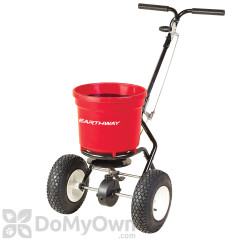
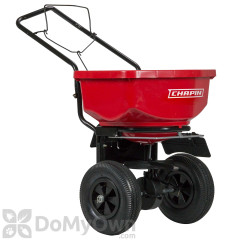
Overseeding is less labor-intensive. You’ll want to mow low, dethatch if needed, aerate and then use a spreader to evenly apply the seed. Then, apply a cover in bare areas, like wheat straw, or peatmoss, and water lightly and often until the new grass takes hold. Overseeding normally requires more seed than just seeding, because some of the grass seed may not make it to the soil and tends to get caught up on the leaf and upper plant.
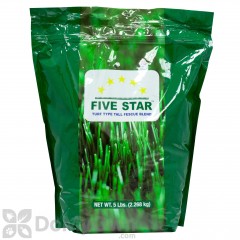
Before planting new grass seed, figure out what type of grass you have. Is it warm-season grass like Bermuda or Zoysia, or cool-season grass like Fescue or Kentucky Bluegrass?
Warm-season grasses grow best in hot climates, while cool-season grasses prefer cooler weather. This can vary depending on your region. Knowing your grass type helps you choose the right time and the right type of seed.
If you're unsure, DoMyOwn.com or your local extension office can help identify it.
For warm-season grasses, plant in spring after the last frost, when soil temps are at least 65°F and air temps are above 80°F. This typically works best from mid-April to June, depending on where you live.
For cool-season grasses, fall is the best time to seed, when the weather is mild, but the soil is still warm. Plant at least 45 days before the first expected frost. In the North, plant from mid-August to September, and in the South or transition zones, you can plant as late as October. After planting, water your lawn regularly to keep the soil moist (not soggy) until the seeds sprout. Water once or twice a day for a few minutes. Once the grass grows and reaches about 1.5-2 inches, you can cut back to watering once or twice a week depending on rain fall.
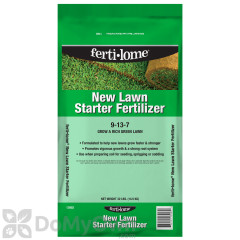
You might also need to fertilize, depending on your soil test. Starter fertilizers help new grass grow, especially ones with higher phosphorus. Always follow the fertilizer label for timing.
Finally, avoid using herbicides before or after planting, as they can harm new grass. If you are applying cool season grasses, you can use mesotrione as an active to prevent weeds at the time of seeding. Check labels for proper timing.
And that’s it! Thanks for watching! If you’re still not sure, we are happy to help here at DoMyOwn.com. Make sure to subscribe to our channel for more DIY and product videos and tell us what you’d like to see more of.