Stop ants, roaches, silverfish, stink bugs, overwintering pests, and more before they enter your home! DIY perimeter treatments help protect your home and are easy to apply, long-lasting, and effective.
Hi I’m Kara with DoMyOwn.com. If you're tired of bugs thinking your home is their home, you're in the right place.
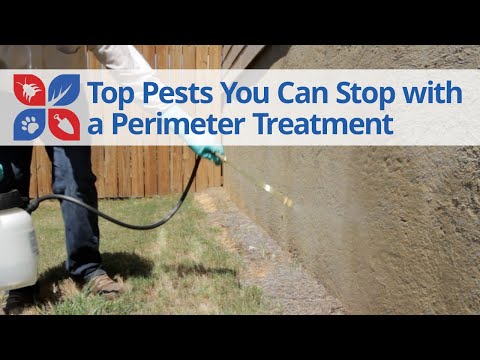
Pests outside are annoying, but pests inside? That’s when things get serious. A lot of pests prefer to stay outdoors, but when they find an easy entry point, they’re coming inside. That’s where a perimeter treatment comes in. It builds a protective barrier around your home and keep those unwanted guests out.
Let’s discuss five common pests that try to sneak inside, and how applying perimeter pest control can protect your home.
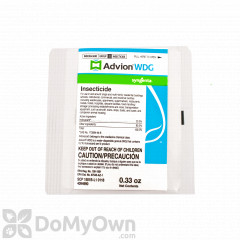
OK le’s talk about Ants. Ants come inside looking for food, water, and shelter. Keeping your kitchen clean helps, but a perimeter treatment every 30 to 90 days helps slow them down. Because ants live in colonies, it’s best to use a non-repellent insecticide spray. These products are undetectable to pests, so ants walk right through where you’ve sprayed, and carry the active ingredient back to the colony. As they interact with other ants, they spread the insecticide throughout the nest, eventually eliminating the entire colony.
Next, cockroaches. Roaches don’t just look for food and water. They look for hidden spots to lay their eggs. And once they’re in, getting them out isn’t fun. Sealing entry points and eliminating moisture is key, but again, that outside barrier treatment every 30 to 90 days. Roaches are colony pests, so non-repellent insecticides work best. They can’t detect the treatment, pick it up, and spread it to others through contact and grooming which helps eliminate the whole infestation.
Then, Silverfish. Silverfish can be very destructive. They eat books, clothing, photos, even wallpaper… anything with starch. Moisture control inside plus a perimeter insecticide outside keeps them from taking over your storage areas and chewing through your stuff. If you have mulch or similar ground covering right next to your home, be sure your perimeter spray includes on top of and under the mulch where it’s cool and damp where they hide. Finally, Overwintering Pests. The most common overwintering pests that might invade in the spring and fall are stink bugs, asian lady beetles, cluster flies, and boxelder bugs. These pests will enter your home in the fall months to take harborage during the winter. They find hiding spots in the home and stay put. Stink bugs, although they do not bite or sting, leave a strong odor as a defense mechanism making an infestation unpleasant. They are also known as shield bugs. Asian lady beetles are a species of ladybug that can leave behind a sticky, stinky substance. Boxelder bugs do not bite, but leave a staining dye behind if crushed. A large amount of boxelder bugs in the home can be a nuisance, especially when they emerge from their hiding spots as temperatures warm outside. Like their name implies, cluster flies tend to cluster, or swarm around windows on warm days while they try to escape the homes they hide in to weather out the winter.
The bottom line is applying a perimeter pest control treatment every 30 to 90 days is gonna e one of the best ways to protect your home from all these pests and more.
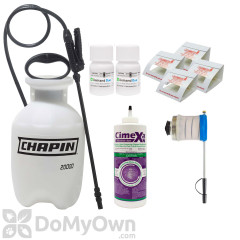
If you want to take the guesswork out of DIY pest control program, the DoMyOwn Pest Box makes it easy. You answer a few quick questions, and you get the right products and step-by-step instructions delivered to your door, on your schedule.
You should always make sure to practice exclusion and sanitation in your treatment. Consistent perimeter treatments are the key to slow pests down before they set up shop in your home.
Thanks for watching! We are always happy to help you DIY like a Pro here at DoMyOwn.com. Don’t forget to subscribe to our channel for more DIY and Product Videos.