Are carpenter ants invading your home? Learn how to treat carpenter ants with effective carpenter ant control methods and pro-grade carpenter ant treatment products.
Hi this is Kara with DoMyOwn.com. Are carpenter ants invading your home? Whether they’re hiding in walls or crawling on your home’s foundation, we’ll walk you through the most effective treatment methods to eliminate them for good.
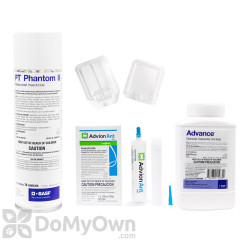
If you see ants but can’t find the nest, we recommend a combination of bait and protein-based bait, and a carbohydrate-based bait, and a non-repellent insecticide. When baiting indoors for carpenter ants, place bait near ant activity not directly on the trail. Use bait stations to keep things clean and effective. Ideal bait placement spots include behind or under stoves, near sinks, drains, and vanities, and also around window and door frames.
You wanna check the baits weekly and replace them as needed until ant activity stops. For spraying, apply into cracks and crevices. Focusing on entry points such as along baseboards, window frames, and in areas where pipes or wires enter the home.
Non-repellent insecticides work slowly but allow ants to spread the active ingredient back to the colony… leading to complete elimination.
If you’ve found the nest, you can treat it directly with foam or dust. If it is in a wall void, you can use foam or a dust to fill the void completely. If the nest is in a wood beam, you can choose to foam or dust it as well.
Using a foam for wall voids is recommended as it expands and covers more area.
Using a dust is going to have a faster kill, but you may need to drill or open a wall for even coverage.
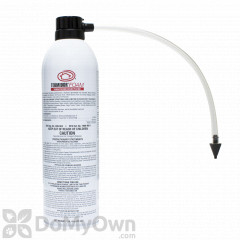
Insecticide foam comes in ready-to-use aerosol can or can be made using a concentrate, foaming agent, and foamer sprayer. Dusts are gonna require the user of a hand duster and the dust must be labeled for carpenter ant control.
If you can’t access the nest, stick with baiting and a non-repellent insecticide.
Carpenter ants may be attracted to natural food, water, and harborage outdoors. You should start outdoor treatment by making your home less attractive to ants. Good outdoor sanitation might include trimming back trees and shrubs, raking mulch, pine straw, or other landscape bedding back away from the house at least 6 inches from the structure. You could also remove lawn debris and stacked wood, clean out gutters and downspouts, and store outdoor trash cans away from the home, then wash them out when needed.
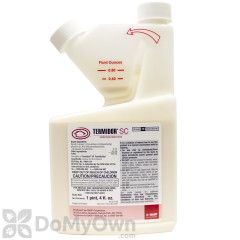
If you’re seeing ants outside, spray the entire perimeter of your home with a non-repellent insecticide.
Non-repellent insecticides are undetectable to ants, allowing them to carry the product back to the colony. And this is key.. only 20% of ants leave the nest, so regular sprays that kill on contact or have a fast kill won’t eliminate the colony.
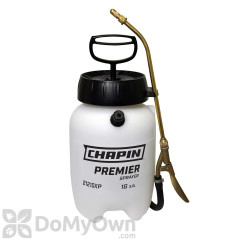
Use a hand pump or backpack sprayer to apply the mixed solution around foundation walls, spraying up and out, around window and door frames, and around entry points for pipes and wires.
If ants are farther away from the home and spraying is not practical or desirable, we recommend a bait granule outdoors. You're gonna wanna apply small teaspoon-sized mound size of granular bait near ant trails just before sunset when rain is not expected.
This might be around the perimeter of your home and around the base of trees; firewood piles, stumps, or other places carpenter ants might nest. The ants will carry the bait back, leading to colony elimination over a few weeks.
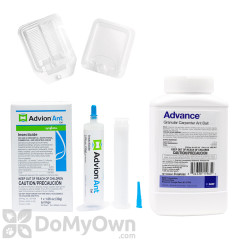
Our Carpenter Ant Kits include everything you need to eliminate an infestation of carpenter ants.
Be sure to read the product label of anything you’re using for full application instructions.
And it's that easy with the expert help from Do My Own dot com. Make sure to subscribe to our channel for more instructional and product videos and product recommendations. Thanks for watching!