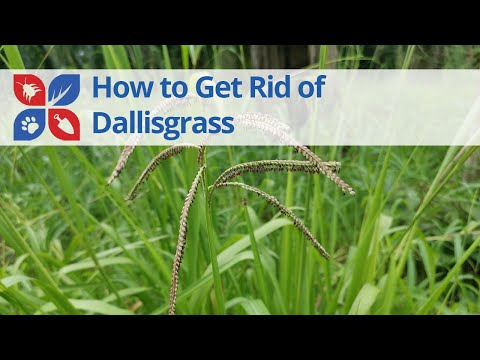
Dallisgrass is a wide-bladed, clumping perennial weed you’ve likely seen spreading across lawns especially in the Southern U.S. It grows fast, spreading through thick underground rhizomes and by seeds carried by wind or even your lawn mower.
Dallisgrass is often confused with crabgrass, so it’s important that a proper ID is done. You can identify dallisgrass by its grayish-green color and broad blades that are about a quarter to half an inch wide. It grows in dense clumps with tall stalks that can reach up to five feet high. Look for three to five seed spikes coming from the top of each stalk, each with green or purplish seeds hanging in neat rows.
Dallisgrass loves warm, sunny, and moist areas and it starts germinating when soil temperatures reach about 60 to 65 degrees in early to late spring and summer.
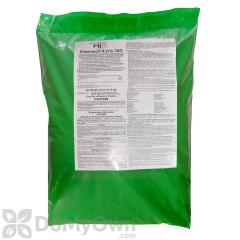
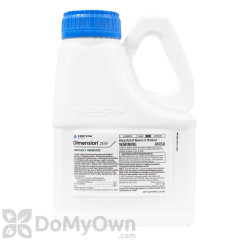
Since controlling dallisgrass after it emerges can be difficult to do, you will need to apply a pre-emergent before it germinates to get the upper hand on your lawn. To stop it before it sprouts, use a pre-emergent herbicide that contains dithiopyr… one of the best active ingredients for preventing dallisgrass seed germination. Apply it in early spring when soil temps hit 55 to 60 degrees. Split applications about 5 to 10 weeks apart can give you the best coverage and be sure to water it in for maximum effectiveness.
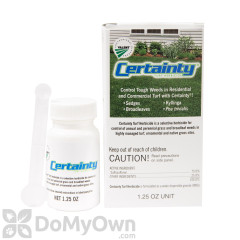
With dallisgrass, prevention is extremely important. Most post-emergent products are for suppression only. If dallisgrass is already present, spot treat with a non-selective post-emergent. You may need to dig out clumps and re-seeding in spots if needed as well.
Treat early in the growth cycle, follow the label closely, and avoid mowing for at least 2 full days prior and after application to ensure the product works fully.
Again, read the product label of anything you use to ensure it is safe for your lawn.
Remember: healthy lawns are your best defense. Mow regularly with a higher mowing height, water deeply but infrequently, and fertilize properly. A thick, well-maintained lawn makes it much harder for dallisgrass to take root.
And it's that easy with the expert help from DoMyOwn.com. Subscribe to our channel for more DIY and product videos.