By DoMyOwn staff
Whether you're a home gardener or a landscaping pro, these simple tips and herbicide options will help you maintain a weed-free yard all season long!
Hi this is Kara with DoMyOwn.com. When it comes to weeds around trees, shrubs, and ornamental beds, they will be treated differently than you would in a lawn.
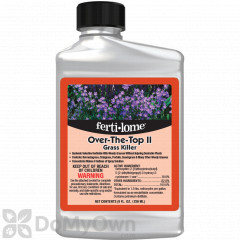
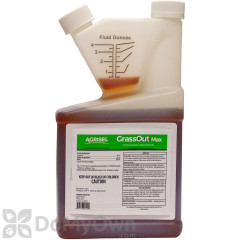
Weeds you already have will be controlled with post-emergent weed killers. When treating trees, shrubs, and ornamental beds, weed types play a big role. In the case of any grassy weeds you may have, goosegrass, crabgrass, or quackgrass, they can usually be controlled with an “over-the-top” broadcast spray in flower beds with no worry of harm coming to them.
You might need to use a surfactant with these products. Be sure to check the product label for your specific plant to be sure it’s safe and for specific application instructions.
This only applies to your post-emergent herbicide grassy weed killers with specific active ingredients and formulas. For example, some grassy weed killer active ingredients might include clethodim, sethoxydim, or fluazifop-p-butyl.
Let’s talk about the broadleaf weeds you might have such as clover, dandelion, violets, and more. Since broadleaf weeds are so similar in nature to most plants found in bedding areas, you would not be able to spray them with an over the top weed killer without harming both. In this case, you have two options: you can hand pull the weeds or treat them with non-selective weed control product.
To apply weed killer around trees and shrubs, carefully target only the weeds by using a shield or cardboard to protect the base of the tree and foliage. Spray directly onto the weeds and avoid contact with the plant's trunk and leaves by using a precise spray patten. You can also use a product with a paintbrush. Always follow the instructions on the herbicide label regarding application rates and safety precautions.
According to most herbicide product labels, you shouldn’t apply it to the root systems of trees and shrubs, also known as, the dripline of any trees and shrubs that you have. Now that we’ve discussed post-emergent weed killers, we recommend using pre-emergents. That is the most effective way to stop weeds especially in flower bed areas where weed killer use might be limited. If you have landscape fabric or mulch, it is fine to treat above it. Some of our customers treat under it too, as soil and plants will find a way to take root above where the chemical or physical barrier was applied.
So that’s it for some of the basics of weed control around trees, shrubs, and ornamentals. Please let us know if you have any other questions and we would be more than happy to help.Thanks for watching! Don’t forget to subscribe, like, and comment on what you’d like to see more of! Make sure to visit DoMyOwn dot com for all your lawn care, pest control, and animal health needs.