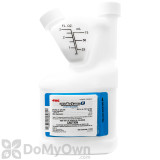
Over-spraying of Talstar P (Talstar One) should not harm most flowers. It is always best to apply in the cooler times of the day. You should also avoid spraying the flowers directly to have the least impact on beneficial pollinators in the area.
Yes, Talstar P is labeled for stink bugs and lady bugs. The mixing ratio is 1 fl. oz. per gallon of water. This will be used to spray around baseboards, cracks and crevices.
The Overwintering Kit is an excellent combination of products that protects you during your winter months with an insecticide and a dust. We generally do recommend at least using a dust with any other product, such as Talstar P, that you are using. The pests come in contact with it and dry out. This is an added protection to consider using throughout the year.
Bifen XTS and Talstar P (Talstar One) are both very good general insecticides to use around the perimeter of your home. The residual on both products is approximately 30 days and once the products dry, it is rainfast so rain will not wash it away. Be sure to spray areas where there would be or you have seen activity for pests to ensure that they come in contact with the treated area.
If you are looking for a product that lasts longer outdoors, Suspend Polyzone would be a great option. It has an additional polymer in it that makes it last longer outdoors.
All of the surfaces that were incorrectly sprayed will need to be thoroughly washed with soap and water to remove the product. After the areas have been washed they will be safe to use again.
Yes, Talstar P can be used when the chickens are not in the coop. Once the product has dried completely, it is safe for them to return to the area. This is generally between 2-3 hours.
When treating for chinch bugs with Talstar P, it is recommended that you do a second treatment 21-30 days after the first treatment. You will use 1 fl. oz. of Talstar P per gallon of water. This will treat 1000 square feet. Be sure to water the product in at least 0.5 inches after it has been applied.
Some insecticides, like Talstar P, can be harmful to beneficial insects such as honey bees. Per Talstar P's label, Talstar "is highly toxic to bees exposed to direct treatment of residues on blooming crops or weeds", so we wouldn't recommend spraying while bees are present or on blooms that bees can later land on. Tekko Pro IGR is just a growth regulator not an insecticide so as long as it's used as directed, it shouldn't harm beneficials. As far as BTI, if you're referring to the BTI Mosquito Dunks, that product is a larvacide and it only goes in water retention sites. If you meant Monterey B.T. Insecticide, the product "has no effect on birds, earthworms or beneficial insects such as honeybees and ladybugs, when used as directed." We recommend to always read the label of the product you decide to use to know how to use it properly and to check how it can affect beneficial insects.
We apologize, but there is no way we can say for sure if the tree will survive. We recommend that you contact a local arborist with your cooperative extension office to determine the extent of the damage of the tree. Talstar is labeled for a foliar spray starting in April through June.
Bagworm recommendations:
It is important to start control methods before a major infestation occurs. Once the bagworms have matured and have formed the "bag" most chemical control methods will no longer work.
You can manually control bagworms by simply plucking them off of the infested trees and dropping them into a bucket of soapy water or squishing them. This control method is most useful during fall, winter and early spring, before the eggs inside the bag have hatched.
Chemical control may be achieved when the larvae are small and just emerging from the over-wintering bag. Use a concentrated liquid insecticide such as Talstar or Tempo. Foliage should be thoroughly wetted with the insecticide spray in order to achieve thorough coverage. When doing an insecticide treatment, timing is key. To find out the correct time of year to treat for bagworms in your region contact you local Cooperative Extension office. These offices can prove to be invaluable when treating for insect pests.
Talstar P (Talstar One) could be used along or mixed with Riptide to give you a faster initial knockdown of insects and then you will have the 30 days residual as well.
Talstar P (Talstar One) is diluted with water and then poured onto the soil and sprayed onto the plant itself. We recommend starting with letting the soil dry out between watering as this offers the fastest control in most cases. Please provide the targeted pest for additional tips on treatment.
Talstar P (Talstar One) should be applied once every month to the exterior areas and quarterly to interior crevices. It should be applied when there is no rain expected for 24 hrs.
According to the Talstar P product label, you will need to use 1 oz of Talster per gallon of water and then apply at the rate of 4 gallons of dilution per 10 linear feet of trench. You will need to calculate how many linear feet you have around the structure you wish to treat to find out how much Talstar you will need to purchase. Please take a few minutes to read over our termite article How to do a Termite Treatment so you will have a better understanding of what may be required for the treatment process. Drywood termites require treatment with a product such as Bora-Care. Please take a few moments to review our article on How to Get Rid of Drywood Termites for additional tips.
Talstar P mixed with an Insect Growth regulator such as Nyguard IGR would be a good choice for tick control. Talstar P would work to kill ticks that come into contact with treated surfaces while the Nyguard would work to help stop juvenile ticks from reaching sexual maturity. We recommend using the highest usage rate of 1 oz Talstar and 1 oz of Nyguard IGR per gallon of water.
Talstar P can be tank mixed as long as both product labels are followed for rates. Talstar is a great product to use for beetles, just avoid spraying the blooms to prevent burning/harm.
There are typically no issues mixing different kinds of sprays together, such as an insecticide and fertilizer or fertilizer with herbicide. We always recommend doing a small jar test for compatability when mixing any products together for the first time, unless the product labels expressly address the tank mix you are using.
There are two things I would caution you against with these mixtures. One is if you are using herbicides for your turfgrass and wanting to use an insecticide for mosquito control at the same time. For mosquito control, you want to use a product like Talstar P on ornamental shrubs, tree branches, etc.; however, you should not spray post-emergent herbicides like Drive, Tenacity, or Trimec on these areas since those herbicides would damage your ornamental plants.
We would also be careful about mixing more than 2 herbicides at one time since this could cause extra stress on your turfgrass.
Please let us know if you have any other questions.
Yes, you will use 1oz of Talstar per gallon of water, and apply to your lawn for armyworms. For best results, delay watering or mowing for at least 24 hours after application.
Talstar P (Talstar One) is an insecticide and will not affect snakes or toads.