





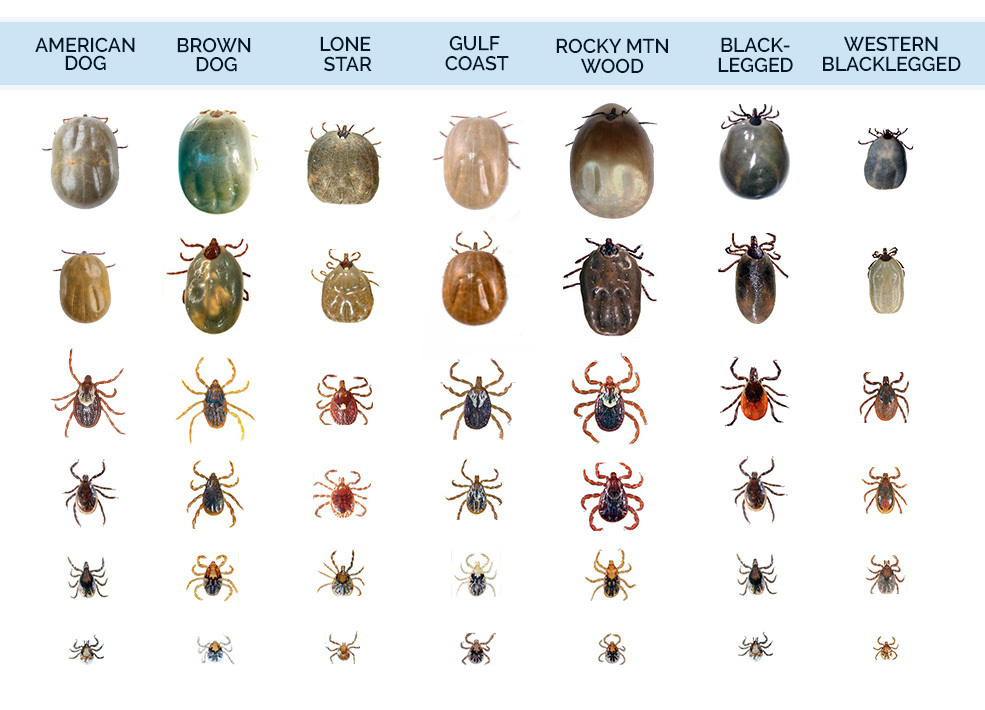
Ticks are small parasitic arachnids that feed on the blood of humans, pets, wildlife, and livestock. There are hundreds of species of ticks in the world and several species found in the United States are vectors for disease to people and pets. While many tick species share similar characteristics, differences in size, color, markings, body shape, and geographic range can help with tick identification.
This tick identification guide explains how to identify common types of ticks found in the United States by examining their physical characteristics, including size, shape, color, and number of legs. Whether you are trying to identify a tick found on a person, pet, or around your property, the information below can help you distinguish between different tick species.
If you do have ticks, continue to read our guide on how to get rid of ticks, how to find ticks in your home or yard, and how to stop ticks from entering your home.
Shop Popular Tick Control Kits




How to Identify a Tick
There are several different types of ticks found throughout the United States. While tick size, color, and markings vary by species, most ticks can be identified by comparing their appearance, geographic range, and host preferences.
Common tick species include:- American Dog Tick
- Brown Dog Tick
- Lone Star Tick
- Blacklegged Tick (Deer Tick)
- Western Blacklegged Tick
- Gulf Coast Tick
- Rocky Mountain Wood Tick
Tick identification is usually based on a combination of size, color, markings, body shape, and geographic location. Start by looking at the tick's color and any distinctive markings on its back. Then compare the size, leg color, and overall appearance to known tick species commonly found in your area.

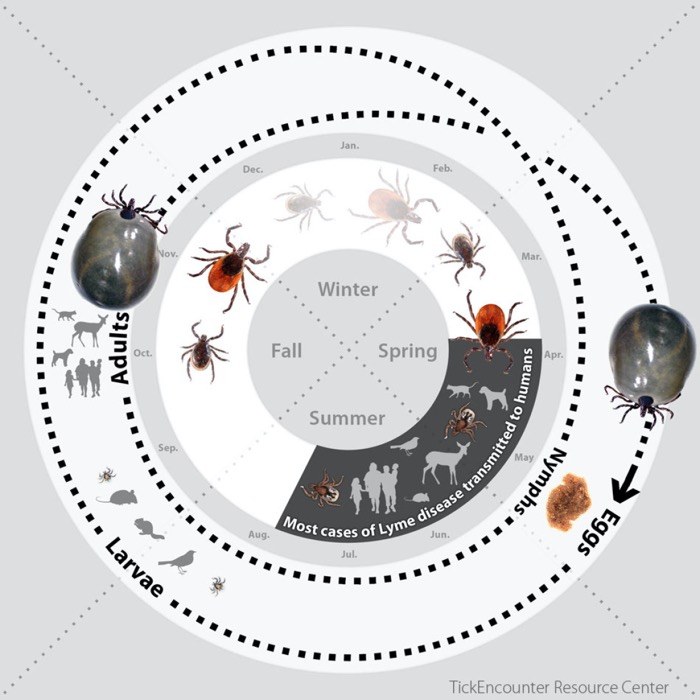
Tick size varies by species and life stage.
There are 4 life stages of a tick: egg, larva, nymph, and adult.
- Tick larvae are less than 1 millimeter long (the size of a poppy seed).
- Tick nymphs are 1-2 millimeters long, about the size of a pinhead.
- Adult ticks can range from about 2 - 6 millimeters long when unfed and can grow up to 10 millimeters long after feeding.
- Adult male ticks are often smaller than adult females.
What Do Baby Ticks Look Like?
Baby ticks, also called larval ticks, are much smaller than adult ticks and are often difficult to see. A baby tick may be no larger than a grain of sand and has only six legs. As ticks mature into nymphs and adults, they develop eight legs.
Because of their small size, baby ticks are often mistaken for tiny spiders or fleas, specks of dirt, or other small insects. Like adult ticks, they do not have wings or antennae.
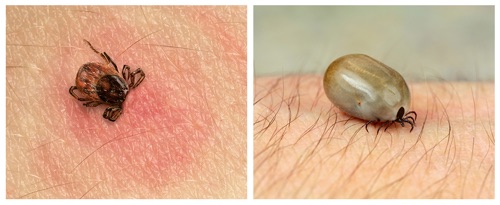
Ticks have a flattened oval or tear dropped shaped body before feeding and a plump, rounded body after feeding.
Immature ticks in the larvae stage have 6 legs. After feeding and maturing, they grow two additional legs for 8 legs total.
Ticks do not have wings or antennae.
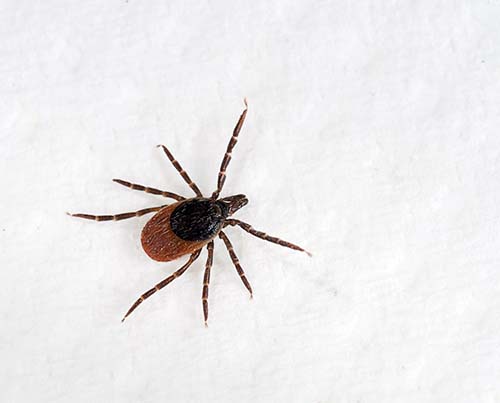
Tick color is one of the easiest ways to identify different types of ticks. While color alone should not be used for identification, markings, leg color, and body patterns can help distinguish common tick species. Compare the descriptions below to identify different kinds of ticks found in the United States.
Tick color by type:
- American Dog Ticks: Reddish-brown bodies with grayish-white or silvery markings on their backs
- Brown Dog Ticks: Uniform reddish-brown to dark brown coloring with little to no noticeable markings
- Lone Star Ticks: Reddish-brown bodies; adult females have distinct single white or pale spot in the center of the back
- Gulf Coast Ticks: Brown to reddish-brown bodies with ornate silvery-white markings on the back, more noticeable on adults
- Rocky Mountain Wood Ticks: Brown bodies with grayish-white or cream-colored markings on the back; similar in appearance to American Dog Ticks
- Blacklegged Ticks (Deer Ticks): Dark reddish-orange to brown bodies with very dark, almost black legs; adult females have reddish body and dark shield near the head
- Western Blacklegged Ticks: Reddish-brown bodies with black legs; females typically have dark shield near the head and reddish-orange abdomen
Types of ticks will vary depending on geographical region, although they can be found all throughout the United States. While not every species of tick is in every state, there is at least one species of tick in each state.
Frequently Asked Questions About Tick Identification
What are ticks?
Ticks are external parasites that survive by feeding on the blood of animals and people. They are most active outdoors and can be found in wooded areas, tall grass, leaf litter, and other habitats where wildlife and pets are present.
What do ticks look like?
Ticks have flattened oval-shaped bodies before feeding and become larger and more rounded after feeding. Most adult ticks have eight legs and vary in color from reddish-brown to dark brown or black.
What are the different types of ticks?
Common tick species found in the United States include American dog ticks, brown dog ticks, lone star ticks, blacklegged ticks, western blacklegged ticks, Gulf Coast ticks, and Rocky Mountain wood ticks.
Do ticks have wings?
No. Ticks do not have wings and cannot fly. Ticks are arachnids and are more closely related to spiders and mites than insects.