
Have a Question? Ask Our Pros!
Average Rating
There are no reviews for this product yet. Be the first.
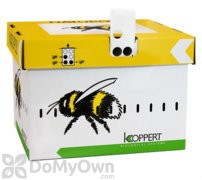
Koppert Natupol Class B (UBR1) will help with the pollination of crops in greenhouses. It contains Bombus impatiens or commonly known as earth bumblebee which includes colony with queen, workers and brood (eggs, pupae, larvae), and bag with sugar solution. It will help produce an optimum fruitset of tomato crops, as well as other crops. The hive has 2 flight holes; the first one allows bumblebees to fly in both directions, while the other one only lets them to fly in but not out. To have the bumblebees back in the hive within an hour, close the two-way traffic flight hole. This pack covers 5,000 to 10,000 sq. ft.
IMPORTANT: These are live organisms that are shipped directly from the manufacturer via UPS Next Day Air so they do not die during transit. A physical address is required for UPS to deliver your package. These are only shipped twice a week:
THIS ITEM CANNOT BE CANCELLED OR REFUNDED ONCE ORDERED
CALIFORNIA AND OREGON RESIDENTS WILL NEED TO PROVIDE A PERMIT TO PURCHASE THIS PRODUCT. Please call 866-581-7378 ext 311 to place this order.
| For use in | Greenhouses, crops |
|---|---|
| NOT FOR SALE TO | CA, OR |
| Coverage Area | 5,000 to 10,000 sq. ft. |
| Special Features | It contains Bombus impatiens or commonly known as earth bumblebee which helps with the pollination of your plants. |
| Shipping Weight | 1.00 lbs |
| Manufacturer | Koppert Biological Systems (Mfg. Number: UBR1) |
Introduction
Environmental conditions
Special points of attention for crops grown under artificial light
Compatibility
If chemical crop protection is needed, all workers can be collected in the hive by means of the BEEHOME system.
The hive contains two flight holes. Through one hole, bumblebees can fly in both directions. The other hole has the so-called Beehome feature: bumblebees can fly in, but not out. To achieve this, close the flight hole for two-way traffic. Within one hour, all bumblebees will have returned in the hive. Always consult the Koppert side effects information or your consultant before applying chemical pesticides.
Remarks
Visual effect
When a bumblebee visits a tomato flower, it bruises the flower, resulting in visible 'bite marks'. One visit is enough for good pollination. It is recommended to check the bruising on the open flowers. In normal weather and plant conditions, the level of bruising should be between 90 and 100 % of the open flowers.
In most other crops bumblebees do not leave visible traces of their activity.
Important!
The introduction rates of this product should be adjusted to the mode of action of the product and the results that can be expected in the crop where the product is applied. Your local Koppert consultant or recognized distributor will be able to advise you further.
Only use products that are permitted in your country/state and crop. Check local registration requirements.
Koppert Biological Systems can not be held liable for unauthorized use.
There are no reviews for this product yet. Be the first.
There are no questions for this product yet. Ask the first.