Various species of thrips (larvae and adults). In the absence of thrips Orius can also survive on aphids, spider mite, butterfly eggs and pollen.
For use in
Greenhouses and field crops and plants
Application
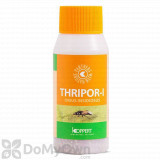
Spread material on clean rockwool slab, leaves and/or in application boxes (DIBOX). Orius lays a large proportion of its eggs in (side) shoots. Avoid unnecessary loss of these eggs by introducing THRIPOR directly after removing side shoots.
Shelf Life
Storage after receipt: 1-2 days Storage temperature: 47-50F (8-10C) In the dark (bottles horizontally)
Color
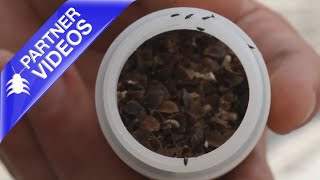
Adults: black with grey / white / brown sections on wings Young nymphs: yellow Older nymphs: yellowish-brown
Adults: black with grey/white/brown sections on wings, 1.6-1.9 mm
Eggs: hardly visible, embedded in leaf tissue
Young nymphs: yellow
Older nymphs: yellowish-brown
Storage and handling
Biological beneficials have a very short life expectancy and therefore need to be introduced into the crop as soon as possible after receipt. Storing them for a period can have a negative impact on their quality and is only possible under the conditions described below. Koppert B.V. is not liable for any loss of quality if the product is stored for longer than recommended and/or under incorrect conditions.
Storage after receipt: 1-2 days
Storage temperature: 47-50F (8-10C)
In the dark (bottles horizontally)
Remarks
Orius lays a large proportion of its eggs in (side) shoots. Avoid unnecessary loss of these eggs by introducing THRIPOR directly after removing side shoots.