Information About Earthworms:
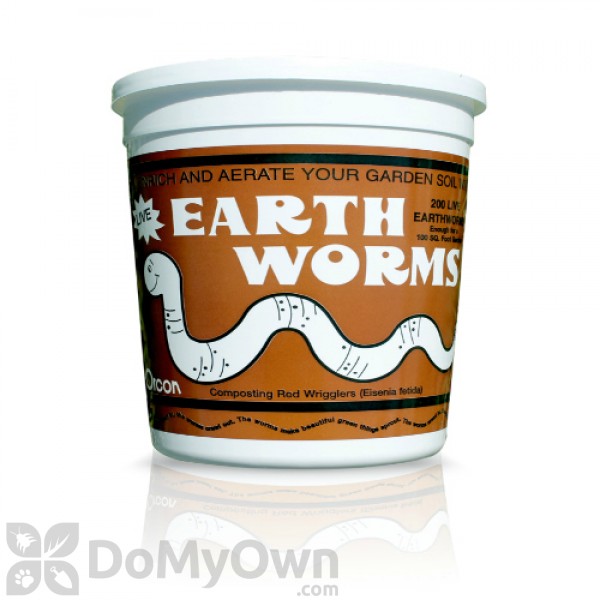
Nutrition: The soil in your garden will be eaten by these earthworms and will provide it 1.5 times more calcium, 3 times more magnesium, 5 times more nitrogen, 7 times more phosphates, 11 times more potash and 40% more humus.
Plant nutrients from earthworms (odorless castings) will retain moisture, does not leach out with watering, and are released slowly instead of one time. Worm castings will feed plants for weeks to months. They will neutralize acid or alkaline excess and they do not use up organic carbons like chemicals do.
Aeration:
While the worms go through your garden (they do not sleep), earthworms leave behind nutrition-lined tunnels which are valuable air spaces. This gives oxygen to the roots and provides the roots more room to grow. The soil will hold more water, thus have much less run-off. All plant life will benefit from nutrition and aeration provided by earthworms. Production goes up. Fruits and vegetables taste better. Color is better. Susceptibility to disease goes down. Lastly, you get more pleasure from gardening in your garden.
Directions:
Garden Areas: First dig 6 inch diameter, 1 foot deep holes that are several feet apart throughout the garden. Fill it with water and then let it drain. Put one or two handfuls of worms in each hole, filling loosely with compost and soil (table scraps, cuttings, etc). This will provide a fast meal to worms. Then water the area and apply mulch around and over the holes if possible. Keep watering the area.
Tree and Shrub Treatment: Dig many 6 inch diameter, 1 foot deep holes around the drop line of the branches of the tree. Follow directions above.
Compost Pile: At the bottom of 4 inches of loose soil, place the worms in. Keep it as damp as more decaying organic material gets added.