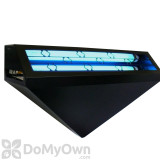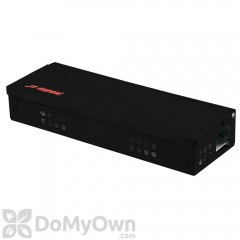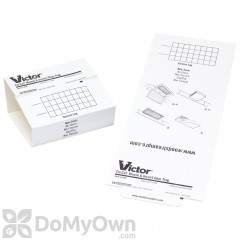
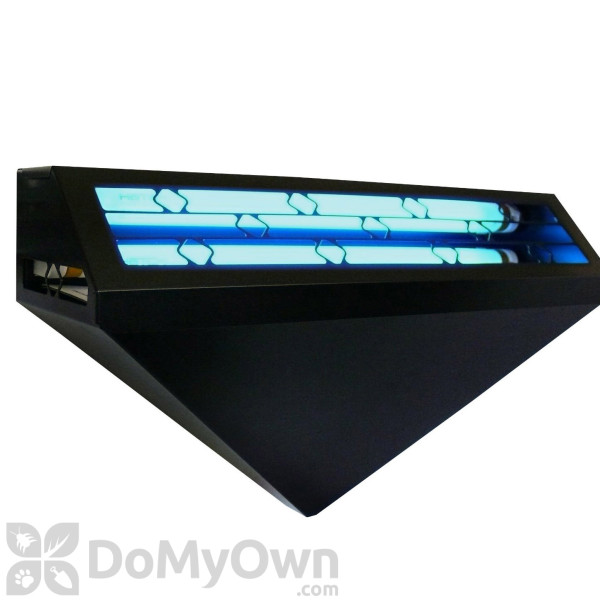
Insect Light Traps (ILT’s) are an important non-insecticidal method to control flying insects. ILT’s attract flying insects by using Ultra-Violet light. Flying insects are drawn by the U.V. light and are either trapped on adhesive glue panels. ILT’s work 24-hours a day, seven days a week. ILT’s catch a variety of flying insects including house flies, bottle flies, yellow jackets, moths and beetles that contaminate food, affect our health, and are irritating. ILT’s are the best continuous tool for flying insect control, working 24-hours a day, 365 days a year.
PLANNING THE LOCATIONS FOR ILT'S
INTERIOR: Identify the most sensitive interior areas of the building where insects are unacceptable. Place adhesive board type traps in hallways and key intercept points within the building.
Food processing and packaging
Pharmaceutical
Emergency medical areas
Hospital surgery
Commercial kitchens
Dining rooms
Bakeries
Deli’s
Grocery stores
Offices
PLACEMENT SUGGESTIONS FOR INSECT LIGHT TRAPS ARE AS FOLLOWS:
Insect light trap models that utilize adhesive boards as the trapping method are recommended for use sanitary sensitive areas at key entry points within close proximity of the target areas. The goal is to trap the insect prior to entry into the target area.
Use in areas of high fly activity inside doorways and docks. Flies are attracted indoors by food odors, warm air and light coming from doorways, windows, roof vents and other openings in buildings.
Place traps 5 to 15 feet inside a door or dock opening. Gusts of wind and breezes push small insects inside rooms.
You should aim the U.V. light into the building so that it cannot be seen from outside. We do not want to attract flying insects inside the building because they can see an Insect Light Trap. This is a simple mistake to avoid.
Space light traps 25 to 50 feet apart on the inside of exterior wall lines. The number of lights used will vary based on (a) insect pressure, (b) desired control level, and (c) viewability of light traps into all areas or hallways. Traps only work if they can be seen.
Wall placement of light traps is preferred. Traps located 3 to 6 feet above the floor are closer to where filth flies spend most of their time feeding and laying eggs.
Ceiling hung positioning for light traps is often the choice in dock areas. The heavy shipping and receiving traffic can damage wall areas and wall mount equipment, therefore ceiling locations are chosen to avoid accidental damage or when there are no lower positions to install light traps.
Insect Ultra-Violet (U.V.) bulbs need to be changed each spring. March/April is the time to mark on your calendar to change bulbs. Southern regions, where temperatures allow year around flying insect activity, require twice yearly bulb replacement. Mark your calendar to change bulbs in spring and fall in the southern United States.