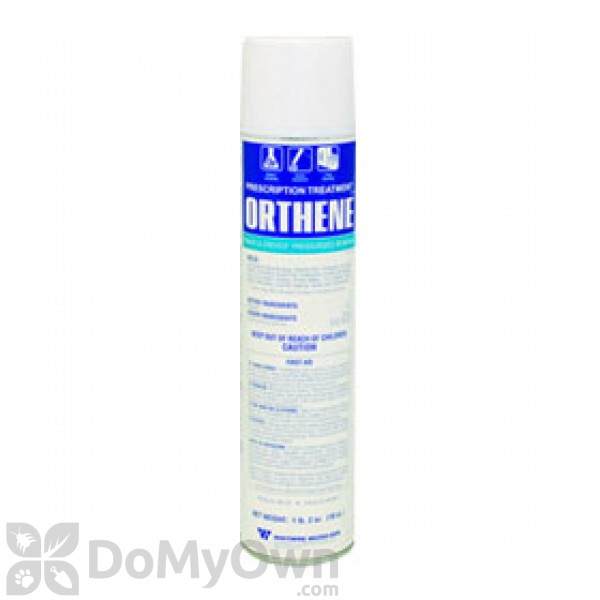
Orthene Aerosol - 18 oz.
Price/Ea.
$20.15
Have a Question? Ask Our Pros!
Email Our Pros
We're here to help
Offline. Leave Us a Message
You May Also Need
-
Product Overview
Orthene residual aerosol contains 1% acephate and controls common household insects both indoors and outdoors with good residual activity (meaning that the product will continue to kill insects even days after you've sprayed). Orthene has a proven history in commercial accounts where pyrethroid resistance may be a concern, such as with roaches. Always read the product label before use.
-
Details
Active Ingredient Acephate 1% Target pests Ants, boxelder bugs, carpenter ants, clover mites, centipedes, cluster flies, cockroaches, crickets, flour beetles, elm leaf beetles, drugstore beetles, earwigs, weevils, silverfish, sowbugs, spiders. For use in indoors and outdoors, in cracks and crevices. NOT FOR SALE TO Shipping Weight 1.50 lbs Manufacturer Whitmire Micro-Gen EPA Registration 499-373 Orthene residual aerosol contains 1% acephate and controls common household insects both indoors and outdoors with good residual activity (meaning that the product will continue to kill insects even days after you've sprayed). Orthene has a proven history in commercial accounts where pyrethroid resistance may be a concern, such as with roaches. Always read the product label before use.
Labeled for the following pests:
Ants, boxelder bugs, carpenter ants, clover mites, centipedes, cluster flies, cockroaches, crickets, flour beetles, elm leaf beetles, drugstore beetles, earwigs, weevils, silverfish, sowbugs, spiders. -
Product Documents
-
Customer Reviews
-
1 Questions & Answers
Helpful Q&A'sQCan Orthene Aerosol be used on vegetable gardens?ANo, Orthene Aerosol is not labeled to be used on any plants and would likely cause damage to plants because of the propellent used to get the product out of the can. Acephate 75 SP contains the same a…
Read Full Answer »No, Orthene Aerosol is not labeled to be used on any plants and would likely cause damage to plants because of the propellent used to get the product out of the can. Acephate 75 SP contains the same active ingredient as Orthene and can be used on some vegetable plants. Please read the Acephate 75 SP product label and be sure the plants you want to treat are listed.