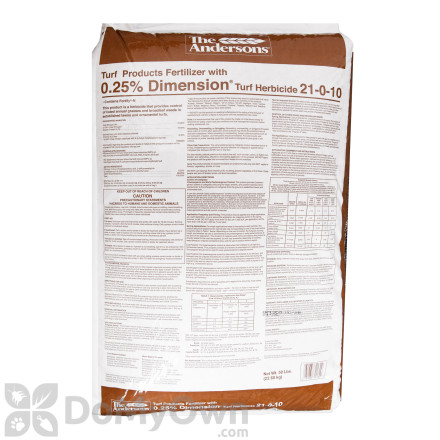
Shop professional pre-emergent herbicides at DoMyOwn to help prevent annual grasses and broadleaf weeds before they emerge. Choose from liquid, granular, and other pre-emergent formulas for lawns, turf, landscapes, and other labeled areas.
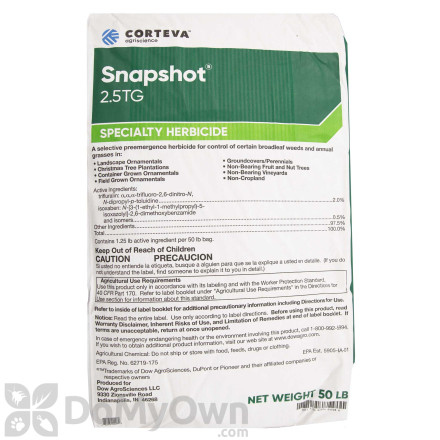
A professional specialty selective pre-emergent herbicide that controls grass and broad-leaf weeds for commercial and residential cool & warm-season grasses.
A professional selective pre-emergent herbicide that provides season-long control of over 120 broad-leaf weeds and annual grasses in over 600 ornamentals.
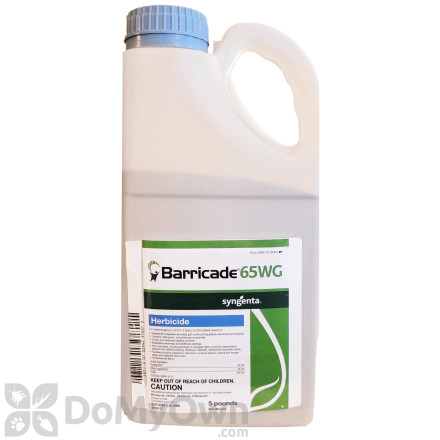
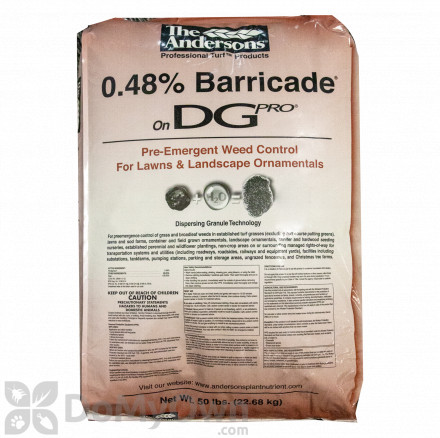
Barricade 65WG herbicide stops more than 30 weeds from emerging. The water-dispersible granule provides the ease of handling and reduced packaging of a dry formulation.
A commercial pre-emergent herbicide for cool and warm season turf plus field and container grown ornamentals that controls broad-leaf weeds and grasses.
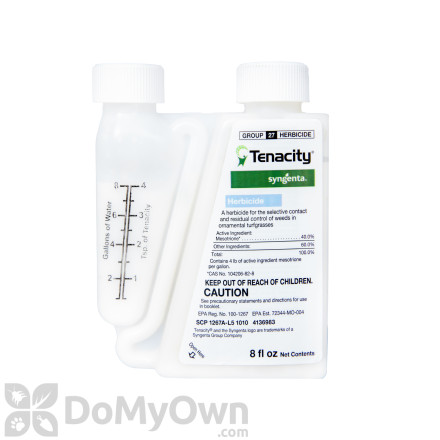
A professional pre-emergent herbicide that controls broadleaf weeds in lawns, sod farms, established turfgrasses, and non-crop areas by preventing root development and seed germination.
A professional pre-emergent meristematic inhibitor herbicide that controls grasses and broad-leaf weeds in cool & warm-season grasses for commercial and residential lawns.
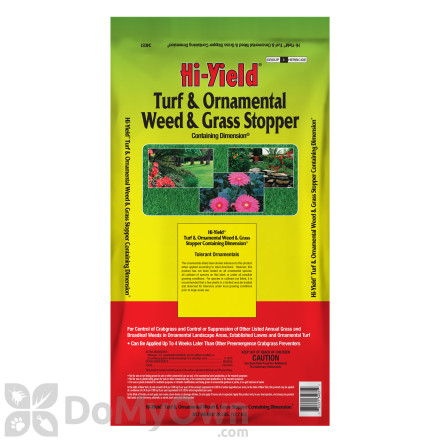
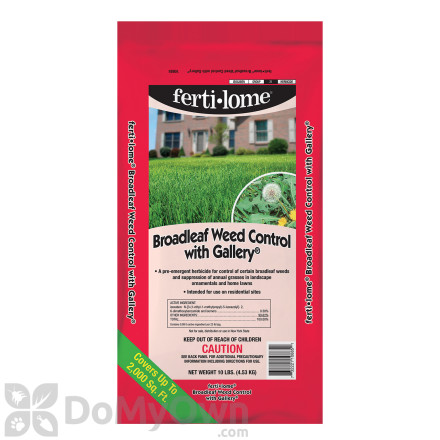
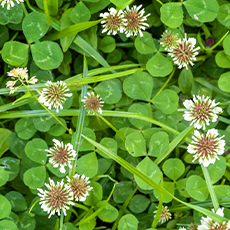
Provides pre-emergence and early post-emergence control of crabgrass and broadleaf weeds and annual grasses on established lawns and ornamental turfs in cool season and warm-season grasses while feeding essential nutrients for healthier turf.
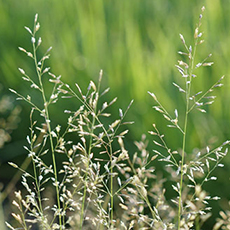
Pre-emergent herbicides are usually applied in the early growing season and help prevent target grass and broadleaf weed seeds from germinating. A pre-emergent herbicide, or weed preventer, will create a barrier around a seed, making it nearly impossible for the seed to sprout and the weed or grass to grow.
Choose the formulation that's right for your lawn:
Granular Pre-Emergents: Spread with a broadcast or drop spreader for quick, convenient applications.
Wettable Powder Pre-Emergents: Mixed with water and applied as a spray, combining the flexibility of a liquid with the storage benefits of a dry formulation.
There isn't one best fall pre-emergent herbicide for every lawn. The right product depends on your grass type, the weeds you're trying to prevent, and whether you prefer a liquid or granular application.
Popular fall pre-emergent active ingredients include:
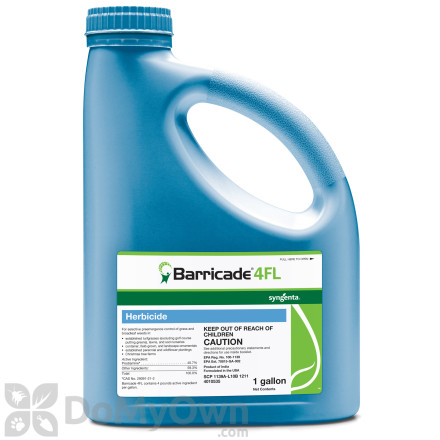
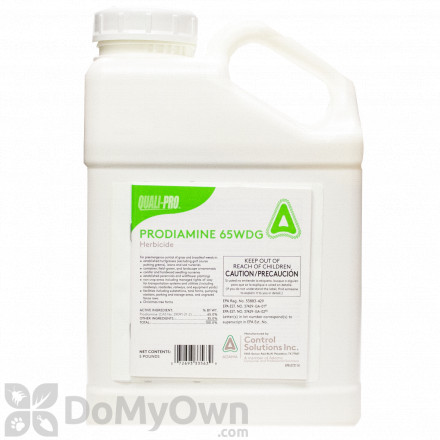
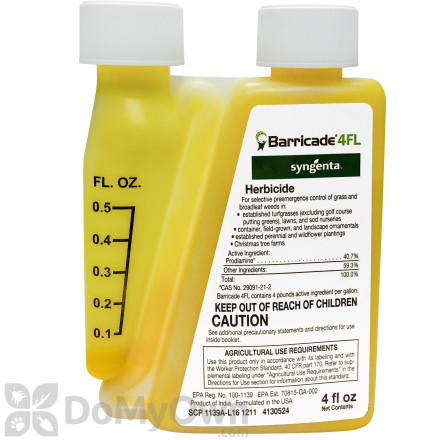
Prodiamine: Provides long-lasting residual control of many annual grassy weeds, including annual bluegrass (poa Annua), along with select broadleaf weeds. Popular products include Barricade 4FL, Barricade 65WG, and Prodiamine 65 WDG.
Always choose a product labeled for your turfgrass and the weeds you want to prevent.
What Is the Best Spring Pre-Emergent Herbicide?
The best spring pre-emergent herbicide is the one that's labeled for your grass type and the weeds most common in your area. Different active ingredients vary in the weeds they control, how long they remain effective, and the application methods they support. Understanding these differences can help you choose the right product for your lawn care program.
Popular spring pre-emergent active ingredients include:
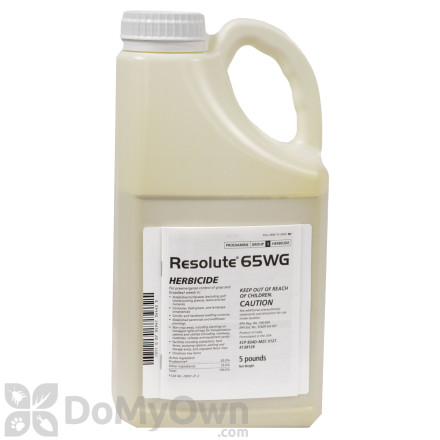
Prodiamine: One of the most popular choices for spring weed prevention, prodiamine provides long-lasting residual control of many annual grassy weeds, including crabgrass, along with select broadleaf weeds. It's an excellent option for homeowners looking for season-long weed prevention with fewer applications. Popular products include Barricade 4FL, Barricade 65WG, Prodiamine 65 WDG, and Resolute 65 WG.
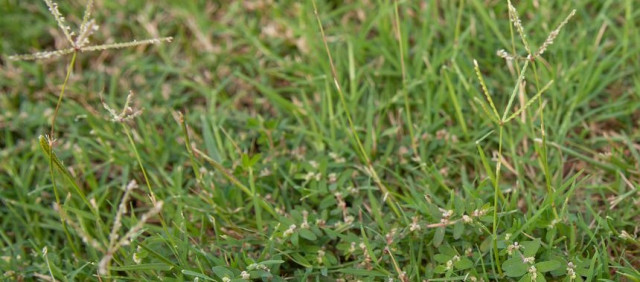
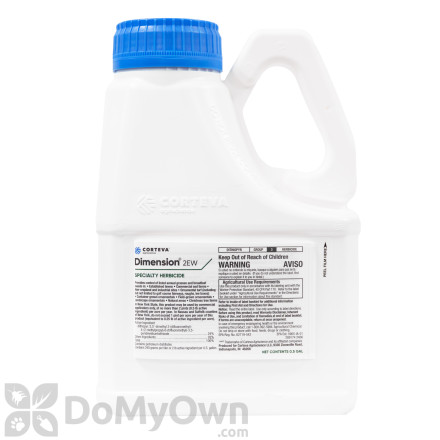
Dithiopyr: Best known for crabgrass prevention, dithiopyr provides broad-spectrum control of many annual grassy and broadleaf weeds. Unlike most pre-emergent herbicides, certain dithiopyr products also provide early post-emergent control of young crabgrass, making them a great choice if your application is slightly delayed. Popular options include Dimension 2EW, Howard Johnson's Dimension 0.27G, and Hi-Yield Weed and Grass Stopper with Dimension.
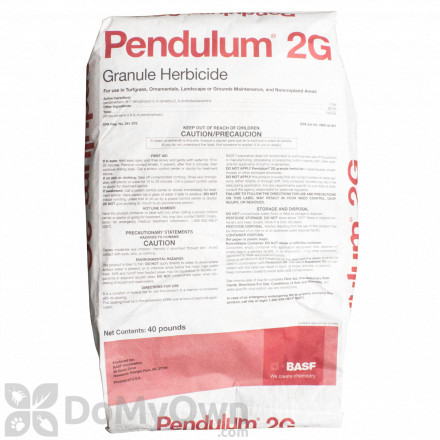
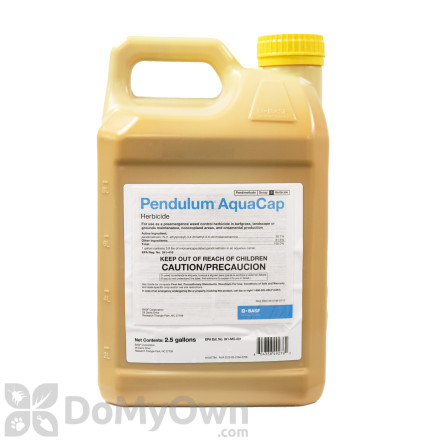
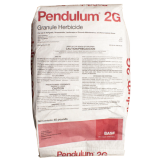
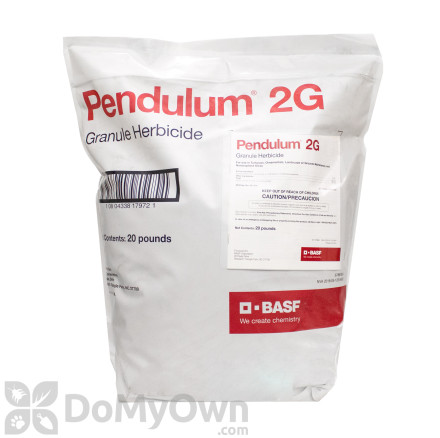
Pendimethalin: A dependable pre-emergent herbicide that helps prevent many annual grassy weeds, including crabgrass and goosegrass, as well as select broadleaf weeds. Pendimethalin is available in both liquid and granular formulations, making it a versatile option for a variety of lawn care programs. Popular products include Pendulum AquaCap and Pendulum 2G.
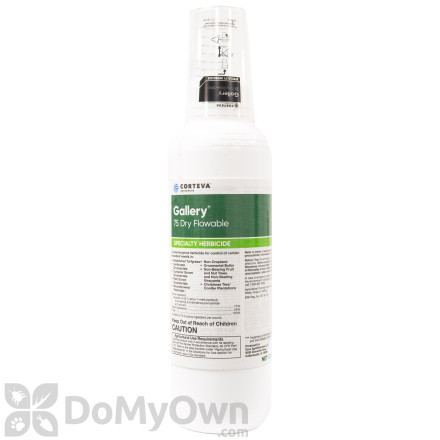
Isoxaben: An excellent choice when broadleaf weeds are your primary concern. Isoxaben helps prevent many broadleaf weeds before they emerge and is commonly used in lawns, landscape beds, and ornamental areas. Popular products include Gallery SC and Gallery 75 DF.
Always choose a spring pre-emergent herbicide that's labeled for your turfgrass and the weeds you want to prevent, and follow the product label for the best application timing and results.
Should Pre-Emergents Be Watered In?
Yes, in most cases. Most pre-emergent herbicides need to be watered into the soil after application so the active ingredient can form a barrier where weed seeds germinate.
For best results:
Follow the irrigation instructions on the product label.
Apply irrigation soon after application if rainfall is not expected.
Avoid excessive watering that could cause runoff.
Granular products typically require watering to activate the herbicide, while many liquid applications also benefit from irrigation.
Following the label ensures the product performs as intended.
Does Rain Affect Pre-Emergent Herbicides?
Yes, but not always in a negative way. A light to moderate rainfall after application often helps move the herbicide into the soil, where it creates the protective barrier needed to prevent weeds from germinating.
Keep these tips in mind:
Light rainfall shortly after application can improve performance.
Heavy rainfall that causes runoff may reduce effectiveness by moving the product away from the target area.
If significant rainfall is expected immediately after application, review your product label for any specific recommendations.
Is a Liquid or Granular Pre-Emergent Better?
Neither is inherently better; the best choice depends on your equipment, lawn size, and personal preference. Both liquid and granular pre-emergent herbicides can provide excellent weed prevention when applied correctly.
Benefits of Liquid Pre-Emergent Herbicides
Excellent for uniform coverage.
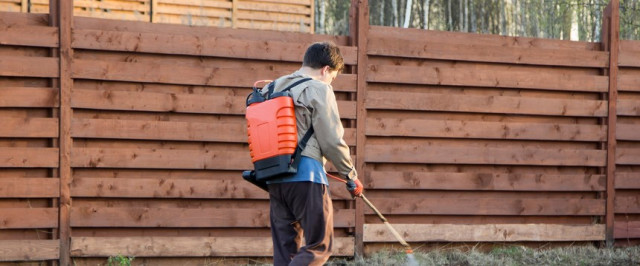
Ideal for homeowners with a backpack or pump sprayer.
Easy to apply around landscape beds and irregular lawn shapes.
Benefits of Granular Pre-Emergent Herbicides
Quick and convenient to apply with a broadcast or drop spreader.
Well suited for larger lawns.
Often preferred by homeowners who don't want to mix concentrates.
Choose the formulation that allows you to achieve even coverage across your lawn, as application accuracy is just as important as the product itself.
Can I Mow Before or After Applying a Pre-Emergent?
Yes. You can generally mow before or after applying a pre-emergent herbicide, but avoid practices that disturb the soil after application.
For best results:
Mow before application if your lawn needs cutting.
Allow the product to be watered in according to the label before resuming normal lawn maintenance.
Avoid core aeration or dethatching after applying a pre-emergent, as disturbing the soil can break the herbicide barrier and reduce weed control.
Resume your normal mowing schedule once the product has been activated.
Proper timing helps maintain the protective barrier that prevents weed seeds from germinating.
How Long Does Pre-Emergent Herbicide Last?
The length of pre-emergent weed control depends on the active ingredient, application rate, weather conditions, irrigation, and your soil type. When applied according to the product label, most pre-emergent herbicides provide several months of residual weed prevention, helping stop weeds before they germinate.
Some active ingredients, such as prodiamine, are known for their extended residual control, while others may have shorter or more flexible application windows. Because no pre-emergent lasts all year, most lawn care programs include both a spring and fall pre-emergent application to prevent weeds that germinate during each season.
For the best results:
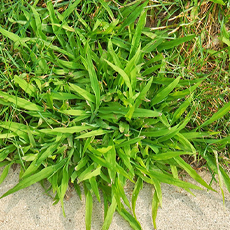
Apply spring pre-emergent herbicides before summer annual weeds, like crabgrass, begin to germinate.
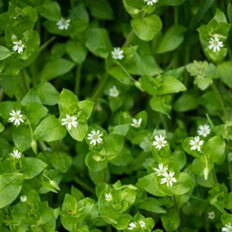
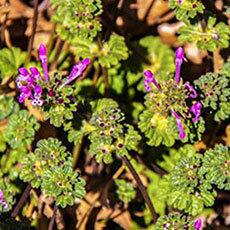
Apply fall pre-emergent herbicides before winter annual weeds, such as annual bluegrass (poa Annua), chickweed, and henbit, begin to germinate.
Follow the product label for the correct application rate and timing to maximize residual weed control.
Using a seasonal pre-emergent program helps provide year-round weed prevention and reduces the need for post-emergent weed control later in the season.
How to Apply Pre-Emergents?
Pre-emergent herbicides can be applied using a granular spreader or a pressurized handheld sprayer. Most liquid weed prevention herbicides come as concentrated solutions that need to be mixed with water first (according to the label) before application. Weed preventers also come in a water dispersible granular formation, or wettable granules, which need to be mixed and dissolved in water to apply as a spray to your lawn. Granular herbicides for weed prevention can be spread using a granular spreader and may require irrigation in order to help the granule release the pre-emergent chemical.
When applying pre-emergents, be careful to aerate first, and not after applying the products. Aeration can break the seal over the ground and around the seeds which makes the pre-emergents less effective. In some areas, you may need to do a split application of pre-emergent weed preventers, meaning you’ll apply your pre-emergents early in the season (spring or fall), then aerate, then do a second application of pre-emergent weed preventer 6 to 8 weeks later to get season long control. For best results, this should be in both the spring and in the fall.
Can't find the product you are looking for? E-mail us and we'll get it for you!
We sell professional do it yourself pest control (diy), exterminator and
extermination insecticide, pesticide, chemical and bug killer treatment
products to spray, eliminate and exterminate pests.
Many of our products are not available in stores
such as Home Depot, Walmart or Lowes.






 Montana
 & Up (48)
 & Up (45)
 (21)
(21)


 (61)
(61)